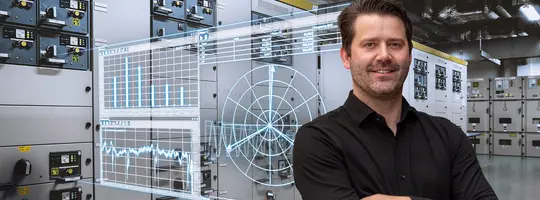
IEC 61850 Substation Monitoring
Accurately acquire events in substations: Thanks to its IEC 61850 interfaces, the iba system enables status information to be obtained from the IEC…
Learn more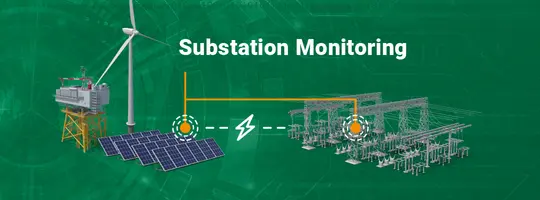
Power quality measurements are normalized measurements that qualify the voltage signal in its form at the transfer point between the network operator as supplier and the consumer as purchaser. They also mark any deviations from the standard gradient.

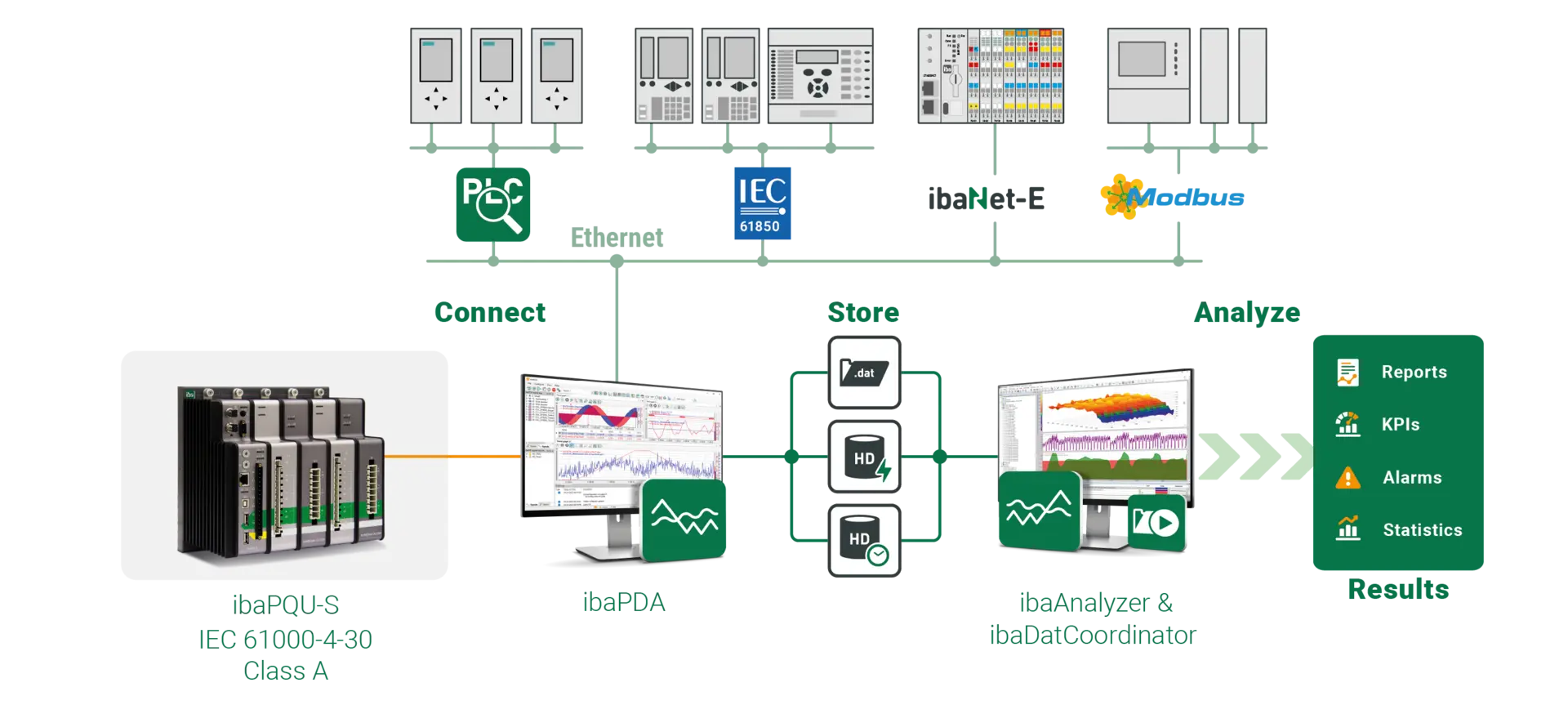
The ibaPQU-S power quality unit has been specifically designed as a very accurate device for monitoring the quality in power grids in accordance with the relevant standards.
ibaPQU-S enables you to monitor the power grid at the connection point in real time. You can also systematically identify and qualify phenomena in energy systems throughout the grid.
Discover how the iba system supports operational excellence and enables visibility for the grids of tomorrow. Schedule a one-on-one call now.
Book Your 1:1 Call
ibaPQU-S determines all the characteristic values stipulated in the EN 50160 standard. These characteristic values are calculated according to the calculation rules set out in the IEC 61000- 4-30 standard, Class A, which is the highest quality class.
Due to the normalization, voltage becomes a product subject to requirements that can be evaluated. The contractually agreed requirements apply to the supplier, transmission system operator, and purchaser. The normalized measurement serves as proof and must stand up in court as it may be used as a piece of evidence. If there are any deviations or if contractual obligations are breached, a key part of identifying the cause is figuring out whether the network operator or the consumer is responsible for the issue.
Traditional power quality records are good for documentation purposes but are less suitable for root cause analyses, as measurement data that has been aggregated in 10-minute or even 2-hour intervals does not allow dynamic peaks and their times to be identified. The iba system solves this problem by offering not only normalized, aggregated data classes for analysis, but also intermediate values acquired every half-period (e.g., every 10 ms), or after every FFT calculation (every 200 ms) for harmonics. While the normalization focuses on voltages, the iba system also enables all algorithms and calculations for voltages to be applied equally to currents. This is very useful for things like current harmonics and for evaluating filter measures.
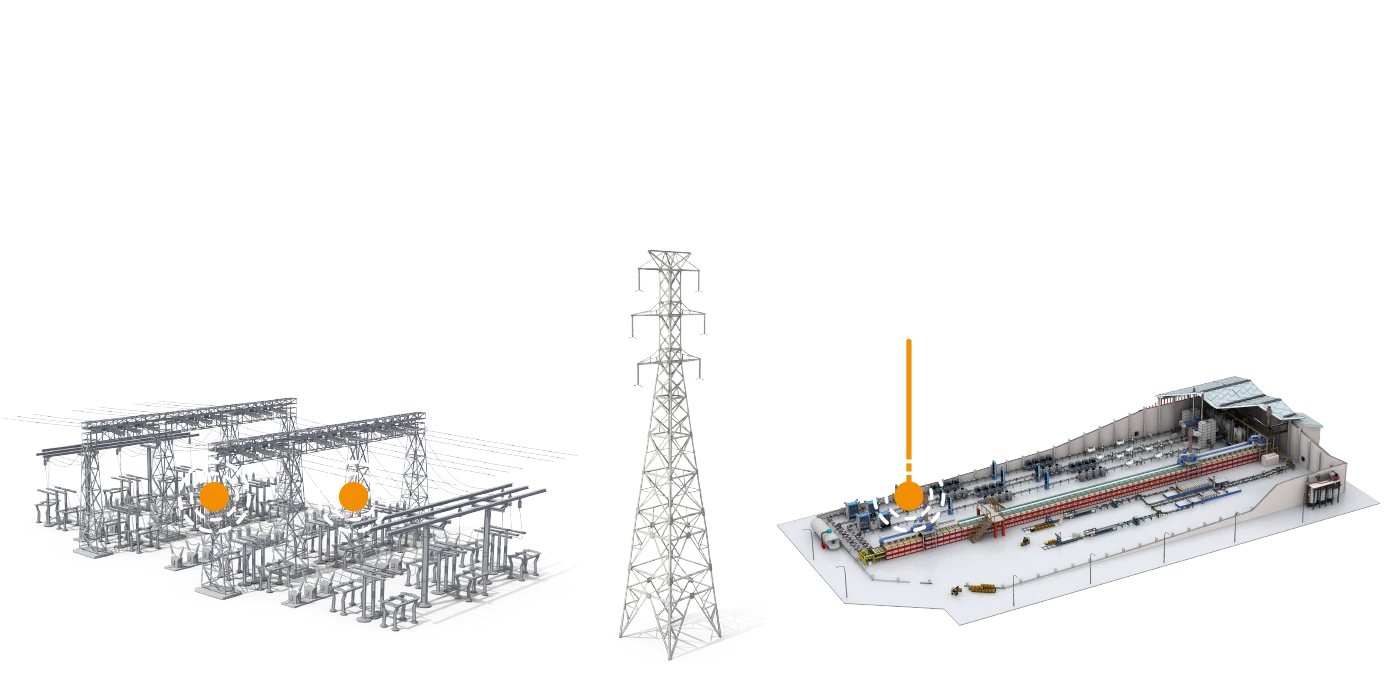
For operators of complex, energy-intensive plants, it is a good idea to take additional measurements in the depths of the plant grid alongside those at the transfer point, so as to enable the spread of faults to be traced back. Thanks to the iba system and its combinable acquisition of process data from the plant controller, the responsible people can quickly compare what is happening in the process with the power quality data to carry out a root cause analysis.
In addition to an event-based analysis which identifies the causes and origin of faults, the iba system is also ideal for monitoring long-term trends and thus evaluating the effectiveness of measures, such as when compensating for harmonics or flicker.
Download the demo of ibaPDA and ibaAnalyzer and start optimizing your processes today. Try it free of charge for 30 days!
Request a ibaPDA-Demo LicenseThe following functions of the iba system are used in this application.
These leading companies already rely on the iba system.














Successful applications and real solutions with the iba system.
Accurately acquire events in substations: Thanks to its IEC 61850 interfaces, the iba system enables status information to be obtained from the IEC…
Learn moreAnalyze system faults with precise, high-resolution measurements: Electric systems react extremely quickly to errors. Compensation processes then…
Learn more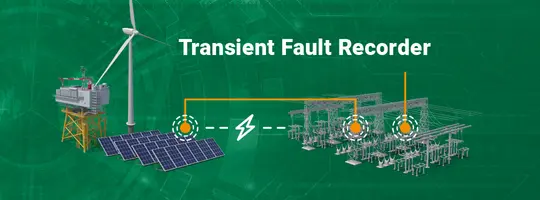
Acquire and analyze energy flows and consumption data: The iba system is ideal for evaluating your energy efficiency as it monitors energy and process…
Learn more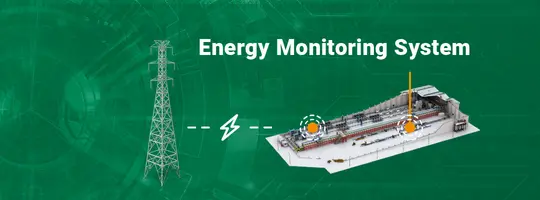
The iba system tells you exactly what is happening in your plants and your energy system. The components are all perfectly coordinated with one…
Learn more