Power and Process Monitoring
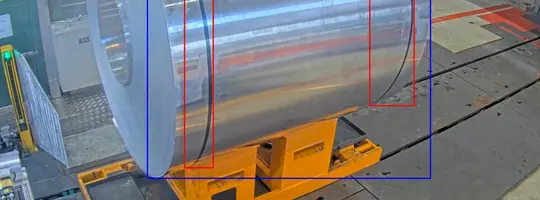
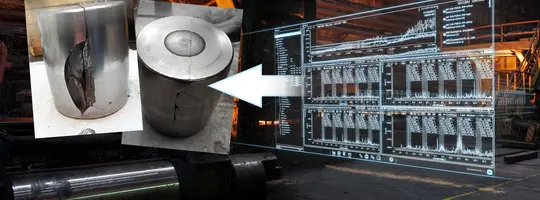
The iba system tells you exactly what is happening in your plants and your energy system. The components are all perfectly coordinated with one…
Learn more
Steel production is characterized by sequential process steps with stringent quality requirements. The quality of the final product depends directly on physical and chemical parameters. In particular, precise temperature control during heating and cooling processes is highly demanding and requires continuous monitoring. In addition, the extremely fast operations in rolling mills are especially critical and have a major impact on product quality. With the iba system, steel plants and rolling mills gain complete transparency across all process steps, including critical parameters and process variables.
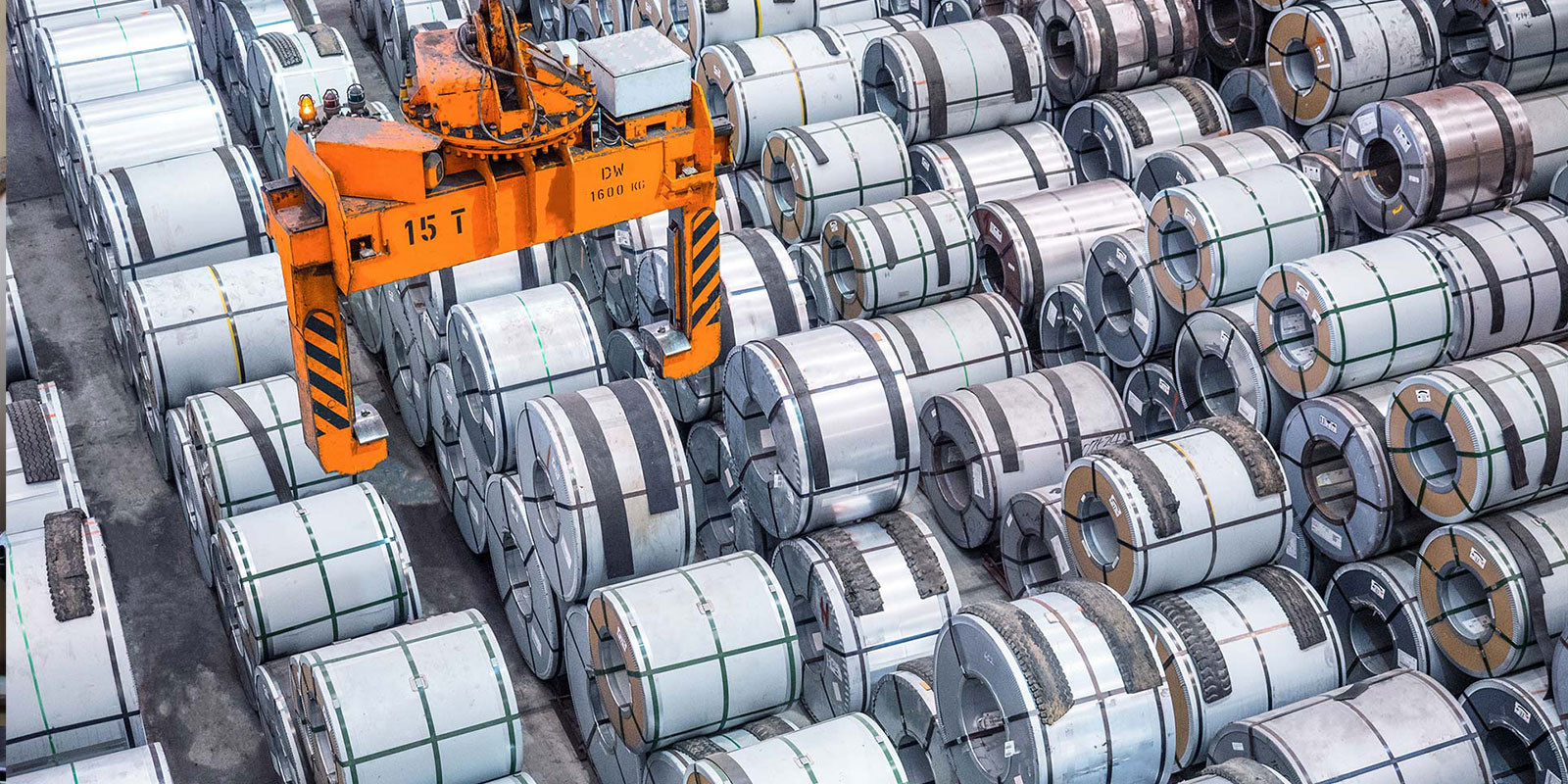
Only complete transparency enables informed decision-making in demanding production environments.
The iba system acquires all relevant process and machine data synchronously, at high sampling rates and high resolution, visualizes them clearly, and delivers valuable insights across the entire metallurgical value chain. Processes such as rolling, heating, cooling, and forming can be fully captured and monitored to ensure consistently high product quality – even under the harshest operating conditions. In addition, the data can be used for predictive maintenance to detect wear, faults, and anomalies at an early stage and avoid unplanned downtime.
This enables detailed root-cause analysis, early fault detection, continuous process optimization, and data-driven decision-making – ensuring maximum productivity and stable product quality under all conditions.

The iba system provides us with robust and reliable data acquisition. Exactly what we need for our demanding processes.
Mohamed Bousnane
Process Engineer, LSV Lech-Stahl Veredelung GmbH
Download the demo of ibaPDA and ibaAnalyzer and start optimizing your processes today. Try it free of charge for 30 days!
Request a ibaPDA-Demo LicenseSuccessful applications and real solutions with the iba system.
These leading companies already rely on the iba system.



Read the inspiring success stories of our satisfied customers.
Continuous data acquisition provides the foundation for transparent and stable production processes in the steel industry. The iba system captures process and machine data synchronously and at high resolution across all production stages—from heating and rolling to cooling. This enables early detection of quality deviations, complete process traceability, and data-driven production decisions based on reliable information.
In steel production, even minor deviations in temperature, rolling force, or material handling can significantly impact product quality. The iba system records these process variables at high temporal resolution and makes them available for visualization and analysis. This allows critical operating conditions to be monitored reliably, quality issues to be identified more quickly, and production processes to be continuously optimized.
Long-term process data enables comprehensive technological analyses and comparison of production batches over extended periods. With the iba system, historical measurement data can be archived and analyzed in detail using ibaAnalyzer. This supports root cause analysis, improves process stability, and provides valuable insights for continuous process improvement.
Continuous monitoring of machine and process data forms the basis for predictive maintenance. The iba system detects wear, anomalies, and process deviations at an early stage and provides this information to maintenance teams. This helps reduce unplanned downtime, enables targeted maintenance planning, and improves overall equipment availability.
When process data is made centrally available, production, quality assurance, maintenance, and process engineering teams can work from the same information base. The iba system provides web-based visualization of measurement data and makes it accessible across departments and locations. This accelerates decision-making, improves collaboration between teams, and helps identify optimization opportunities more efficiently.