How FEST Makes Process Data Usable for Operations, Analysis and Maintenance
Based on the iba system, FEST has developed a data architecture that covers the entire process.
Learn more FEST Group
At the cold rolling mill of thyssenkrupp Electrical Steel (tkES) in Gelsenkirchen, the team faced a familiar yet complex challenge: despite the availability of extensive measurement data, certain process phenomena remained unclear—particularly when it came to the visual aspects of production.
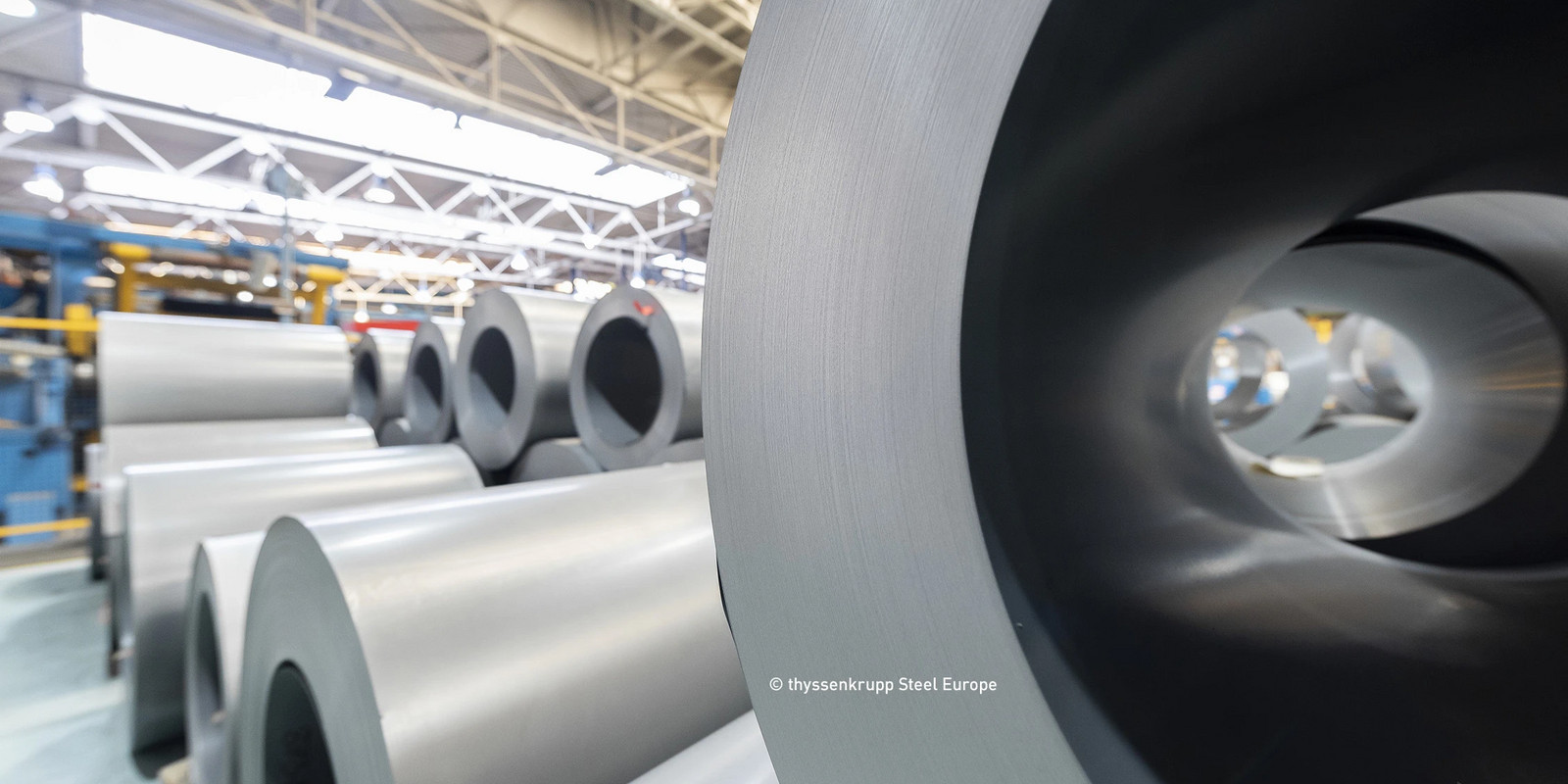
Critical observations made by operators could neither be documented nor analyzed collaboratively. At the same time, process disturbances such as strip breaks or surface defects were difficult to reproduce. To meet the company’s high standards for quality, safety, and continuous improvement, a system was needed that could create transparency, make root causes visible, and become an integral part of a sustainable LEAN process.
As part of tkES’s LEAN initiatives, the iba system was gradually integrated into key areas of the plant—from live monitoring to automated documentation:
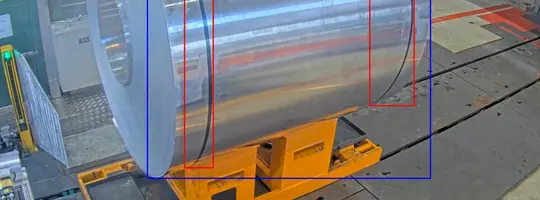
The added value of the system became especially evident at the CVC reversing stand, where recurring strip breaks occurred at the beginning or end of the strip. With the implementation of ibaCapture, the phenomenon of so-called “flowering” was identified and documented — a local hardening of the material, visible only through optical inspection and undetectable by conventional sensors. The camera-based system made this issue visible and, together with the time-synchronized process data, enabled a structured root-cause analysis.
Since then, the camera has become an active tool for operators in fault diagnosis. In the combined annealing, shot blasting, and pickling line, the strengths of the system are equally evident. An automatically generated daily HD report provides all process engineers with an early-morning overview of the previous shifts, including a weekend summary every Monday.
At the same time, over 50 process values are continuously monitored, with any tolerance violations displayed in an event ticker — a valuable tool for shop floor management and ongoing process optimization.

Without ibaCapture, fault analysis would be impossible for us. The iba system has become indispensable for our continuous process optimization.
Sascha Noreikat
Head of Production Cold Rolling, Thyssenkrupp Steel
The following functions of the iba system are used in this success story.
Read more inspiring success stories of our satisfied customers.
Visual effects that cannot be measured using conventional sensors require a time-synchronous combination of image and process data. With ibaCapture, camera images and HMI visualizations can be recorded in precise synchronization with process signals. This makes purely visual phenomena analyzable and reproducible. In combination with ibaAnalyzer, these datasets can be evaluated in a structured manner, enabling clear identification of root causes.
Successful integration requires the standardized acquisition, visualization, and analysis of process data based on defined KPIs. With ibaPDA and ibaHD-Server, data is continuously collected and made available for analysis. ibaDaVIS enables transparent visualization in dashboards for shopfloor management and operational decision-making. In addition, ibaDatCoordinator provides automated reporting and supports the sustainable integration into LEAN processes.
The analysis of such faults requires high-resolution, continuous data acquisition combined with visual context information. ibaPDA ensures seamless recording of all relevant process parameters, while ibaCapture documents visual anomalies. By correlating both data sources, even complex material-related phenomena can be identified. Based on these insights, targeted process adjustments can be implemented to improve process stability.
Automated reporting enables standardized and continuous evaluation of process conditions across shifts. With ibaDatCoordinator, reports and KPI analyses can be generated and distributed on a scheduled basis. ibaDaVIS complements this with real-time dashboards displaying condition values and event overviews. This provides decision-makers with a consistent basis for action without requiring manual analysis.
Rapid response requires real-time monitoring of critical process parameters and clear visualization of deviations. With ibaPDA, relevant data is continuously acquired and made available at high resolution. ibaDaVIS presents this information through live dashboards and event tickers. This enables immediate detection of tolerance violations and the prompt initiation of corrective actions.