Maximum Grid Security for Offshore Wind Power
GE Vernova Relies on the iba System in Sofia Project
Learn more
At the steelworks of Badische Stahlwerke GmbH (BSW) in Kehl, Germany, approximately 2.5 million tonnes of reinforcing steel are produced each year. The raw material is scrap metal, which is melted in two electric arc furnaces (EAFs) before undergoing further processing. To ensure consistent quality and process stability, it is essential to be able to trace the loading of individual scrap baskets after the fact. Using the iba system, BSW has implemented a solution that records process data and video footage synchronously in time and automatically correlates them, enabling detailed analysis of individual heats.
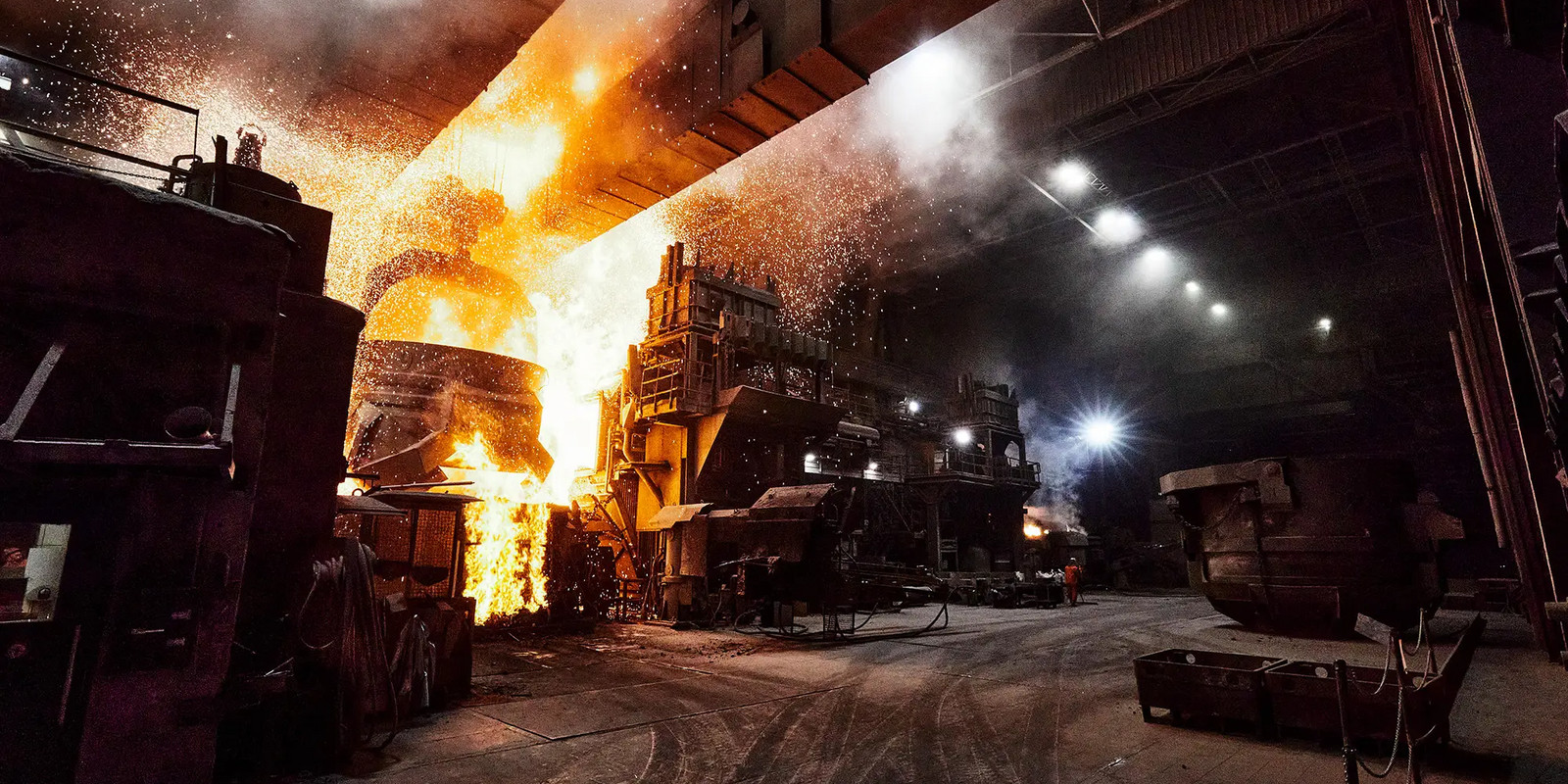
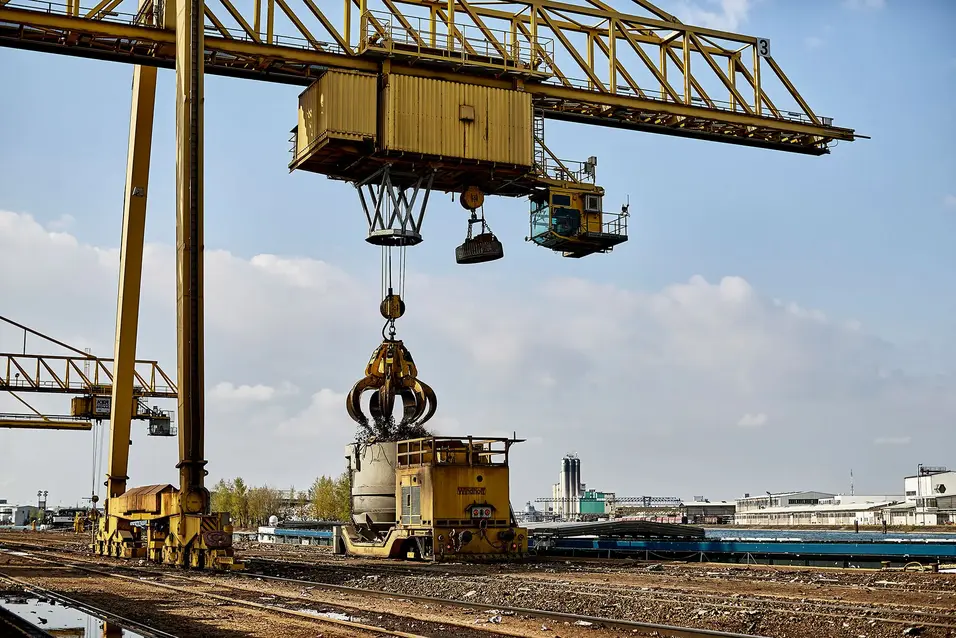
Four different grades of scrap are stored in the scrap yard at Badische Stahlwerke. The scrap is loaded into baskets and transported to the electric arc furnaces by cranes and transfer cars. Within approximately 30 minutes, the furnace converts two fully loaded baskets—containing a total of 120 tonnes of scrap—into around 109 tonnes of liquid steel, which is subsequently cast into billets measuring 14 metres in length. The transport process is remotely controlled and monitored through camera systems that continuously record operations.
One of the key challenges for the steel producer is that the final heat number is not yet known when a basket is loaded. The assignment is only made once the scrap is actually melted in the furnace.
Furthermore, the time between loading and melting can vary significantly—from just a few minutes to several days. For example, a preloaded reserve basket may not be required immediately and can remain on standby until needed.
“If anomalies occur later on—for example, oversized scrap pieces or unwanted foreign objects in the material—we naturally want to be able to trace exactly how the affected basket was loaded,” explains Sven Pieber, Head of Automation and Deputy Manager of Electrical Maintenance at BSW.
Previously, this type of analysis was largely a manual process. Personnel first had to identify the relevant loading records and then navigate through the corresponding signals in ibaAnalyzer to review and assess the data. In addition, the recorded camera footage was not available in time synchronization with the process data.
As a result, investigating individual heats was both time-consuming and heavily dependent on expert knowledge. To overcome these limitations, BSW implemented a new solution based on the iba system that automates the entire workflow and directly links all relevant information.
The new application is built on the interaction of several iba products, including ibaPDA, ibaHD-Server, ibaCapture, ibaVision, ibaDatCoordinator, and ibaAnalyzer.
Multiple cameras installed throughout the scrap yard record the loading operations, while process data from the various cranes and scrap transfer cars is simultaneously acquired by ibaPDA. Because transfer cars may operate beneath different cranes depending on the situation, the system automatically switches to the corresponding camera feed.
The synchronized recording of process and video data ensures that each transfer car is always associated with the correct visual representation of the current loading operation.
The key to the solution lies in the automated link between the loading operation and the subsequent heat. Whenever a new loading specification is requested for a scrap basket, the system generates a trigger in ibaHD-Server.
This trigger remains active until the corresponding basket is charged into and melted in the electric arc furnace.
The subsequent data processing is fully automated. ibaDatCoordinator extracts all relevant data between loading and melting, determines the corresponding heat number based on process information, and generates a unique measurement file. As a result, a complete dataset containing process information and synchronized video footage is automatically created for every heat.
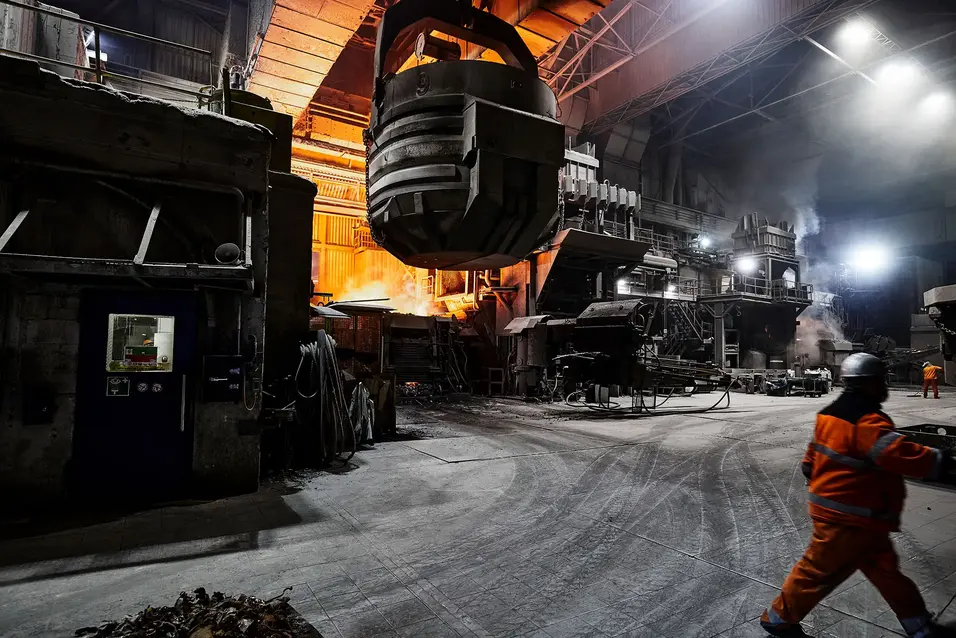
For BSW, this represents a significant simplification. By entering the heat number, users can quickly locate the corresponding file and identify the transfer car used during charging.
In addition, ibaAnalyzer automatically opens the appropriate analysis environment. All relevant information—including recorded process signals, loading details, and time-synchronized camera footage from the involved cranes—is immediately available.
This allows operators to verify which scrap grades were charged, what quantities were planned, and how the actual loading process was carried out. Even crane changes during a loading operation can be identified easily.
At present, the solution is primarily used for retrospective analysis of heats and charging operations. However, its potential extends far beyond this application.
BSW is already evaluating additional expansion scenarios, including the automated identification of different scrap grades using machine vision technologies and the detection of critical objects such as gas cylinders or enclosed hollow bodies. The use of camera data for inventory monitoring within the scrap yard is also under investigation.
For all these applications, the existing infrastructure combining synchronized process data and visual information provides a valuable foundation.
The scrap yard reporting solution at Badische Stahlwerke demonstrates how a complex industrial use case can be efficiently addressed through the combined use of multiple iba products. By automatically linking process data, heat information, and camera footage, charging operations can be traced quickly and conveniently.
For users, this means significantly reduced search effort and faster root-cause analysis. At the same time, the solution creates a transparent data foundation that not only supports current operational requirements but also opens up new opportunities for future digitalization and automation initiatives.

With the iba system, we can automatically trace every scrap loading back to its eventual batch. This makes it much easier for our colleagues to analyze the causes and saves valuable time.
Sven Pieber
Head of Automation and Deputy Manager of Electrical Maintenance, BSW
The following functions of the iba system are used in this application.
Read more inspiring success stories of our satisfied customers.
GE Vernova Relies on the iba System in Sofia Project
Learn moreHow Badische Stahlwerke Uses the iba System to Bring Transparency to Scrap Charging
Learn more Badische Stahlwerke
From Paper Chart Recorders to Modern Data Acquisition: To ensure reliable analysis and visualization of furnace data, Aluminium Norf relies on the iba…
Learn more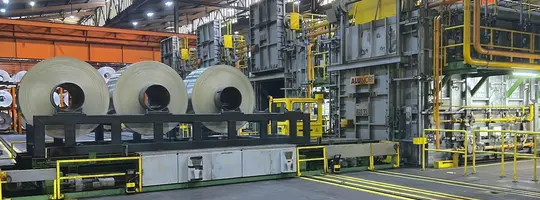
After the nationwide blackout in Pakistan on January 9, 2023, energy producers came under increasing pressure to enhance plant monitoring and to…
Learn more
At the cold rolling mill of thyssenkrupp Electrical Steel (tkES) in Gelsenkirchen, the team faced a familiar yet complex challenge.
Learn more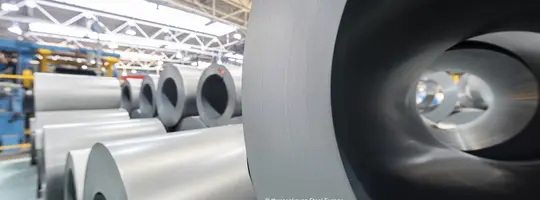
The energy transition is fundamentally reshaping power grids: decentralized generation, volatile energy sources, and increasingly dynamic grid…
Learn more
In the production of aluminum coils, proper strapping is essential to ensure safe handling and transport.
Learn more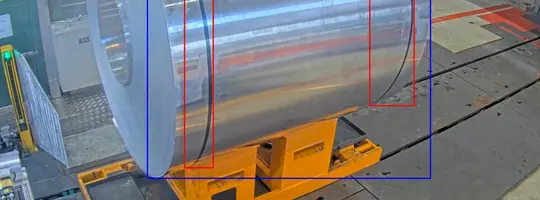
A mining company uses the iba system to maximize the availability of electric rope shovels.
Learn more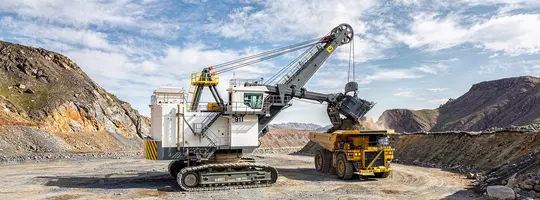 AI-generated Image
The heat and surface treatment of steel is a complex and sensitive technical process. With the iba system, LSV implemented a comprehensive solution…
Learn more
In order to analyze processes efficiently, Neuman Aluminium introduced the iba system in production in 2014. Due to its success, it was rolled out to…
Learn more
The commissioning of a new pusher type furnace at their Swiss location prompted Novelis to standardize the acquisition and analysis of process data.…
Learn more
Over 1,600 tons of metal, rolled into coils, pass through the BILSTEIN Group’s production facilities every day. To eliminate the risk of mix-ups, the…
Learn more
What began seven years ago with the replacement of paper chart recorders in a pusher-type furnace has evolved into a key pillar of quality assurance…
Learn more
Reducing complexity by calculating KPIs from vibration and machine data in ibaPDA using ibaInSpectra.
Learn more
As the legacy system no longer met operational demands, the BILSTEIN GROUP had to seek out a new solution for process data visualization. Their…
Learn more
In steelmaking, ibaHD-Server and ibaDatCoordinator enable consistent traceability by linking scrap loading events with the subsequent melting process. The core issue is that heat IDs are only assigned during melting, while the time gap between loading and melting can vary significantly. This is addressed through trigger-based data recording and continuous process tracking. As a result, each scrap basket can be traced back to a specific charge, allowing operators to quickly investigate anomalies such as contamination or oversized scrap, improving process transparency and quality control.
By using ibaPDA, ibaCapture, and ibaVision, synchronized acquisition of process and video data becomes feasible in complex industrial environments. The main advantage is the unified time base across all recorded signals and visual streams. Technically, process variables and camera feeds are captured in parallel and automatically aligned based on system logic that selects the relevant camera depending on equipment position. This creates a seamless dataset combining operational data with visual evidence. In daily operations, this significantly simplifies root cause analysis, as engineers can immediately correlate process deviations with actual loading or handling events.
Automated heat analysis is enabled by ibaAnalyzer together with ibaDatCoordinator, delivering substantial efficiency gains. The key advantage lies in the automatic aggregation of all relevant data into a single dataset per heat. From a technical perspective, process signals, loading records, and synchronized video streams are combined and presented in a preconfigured analysis workspace. This removes the need for manual data compilation and navigation through multiple systems. In real-world scenarios, this speeds up troubleshooting, supports faster decision-making, and allows even less experienced personnel to analyze production deviations effectively.
Linking loading operations to downstream production data is achieved using ibaHD-Server and ibaDatCoordinator, creating end-to-end process transparency. The benefit lies in connecting upstream material handling activities with final production outcomes. Technically, this is handled via persistent triggers that track each loading event until the material is melted and assigned to a specific heat. All associated data is then automatically consolidated. In practice, this enables a deeper understanding of how input conditions affect output quality, helping to optimize processes and improve consistency in production results.
Integrated analytics built on ibaVision, ibaCapture, and ibaPDA form the backbone for future automation and machine vision solutions. Their main advantage lies in providing structured and synchronized datasets combining operational and visual information. From a technical standpoint, these datasets serve as a reliable foundation for advanced analytics, including image-based classification and anomaly detection. In practical terms, this enables applications such as automatic identification of hazardous objects or inventory monitoring, ultimately increasing safety, efficiency, and the level of automation in industrial operations.
